Fantasy AI Girlfriends: 11 Supernatural Characters and What They're For
Demons, vampires, elves, valkyries and fox spirits create dynamics that realistic premises cannot. A guide to eleven supernatural AI companions and the scenes each one enables.
Published · For adults 18+

Supernatural AI companions get dismissed as the novelty section, which misreads what they are for. A character who is not bound by realistic logistics enables scenes that a plausible premise cannot — different power dynamics, different stakes, and no need to explain how any of this is happening.
This is a guide to eleven fantasy characters organised by the dynamic each one creates rather than by species. If realistic scenarios have started to feel constrained, or if you mainly use story mode, this is the part of the roster that will serve you best.
What fantasy premises actually unlock
The obvious answer is aesthetics, and that is real but minor. The substantial difference is that supernatural characters can hold power that no realistic character plausibly can, and can be interested in you for reasons that do not need justifying.
In a realistic premise, a dominant character's authority comes from a structure — she is your boss, your landlady, your professor — and that structure constrains where the scene can go. A demon or a vampire carries the same dynamic with none of the logistics. There is no office to leave, no lease to renew, and no explanation required.
The second unlock is scale. Realistic scenes are bounded by ordinary places and ordinary time. Fantasy premises come with worlds attached, which is why these characters dominate story mode — there is somewhere to go.
If you like dominant characters but find the professional framings repetitive, the supernatural versions carry the same dynamic without needing a workplace to justify it.
Predators and dominants
The largest group, and the reason most people arrive at this section. These characters hold power as a property of what they are, which makes the dynamic immediate — no hierarchy has to be established first.

Ember
Red-hot demonessBest for · Immediate, unambiguous dominance
The most directly commanding character on the roster. No preamble, no structure to establish, and no interest in negotiating. If you want the dynamic without a slow build into it, this is the shortest path there.
Meet Ember
Carmilla
Immortal seductressBest for · Patience, atmosphere, gothic slow burn
Centuries of practice and absolutely no hurry. The most atmospheric character here and the one that rewards taking your time — she is written to enjoy the approach, which makes her the opposite pick to Ember despite the surface similarity.
Meet Carmilla
Lilith
Favourite temptationBest for · Explicit power exchange
The most direct about the dynamic of anyone on the roster — she states her rules early and expects them followed. Choose her when you want the power exchange to be the explicit subject rather than subtext.
Meet Lilith
Vesper
Fierce dragonessBest for · Possessiveness and intensity
Commanding in a more territorial register than Ember — the dynamic is about being claimed rather than instructed. Good for people who want intensity with a protective edge rather than pure authority.
Meet VesperEnchanters and tricksters
Characters whose power is persuasion rather than force. The dynamic is playful and a little unsafe, and it suits people who prefer being drawn in to being commanded.
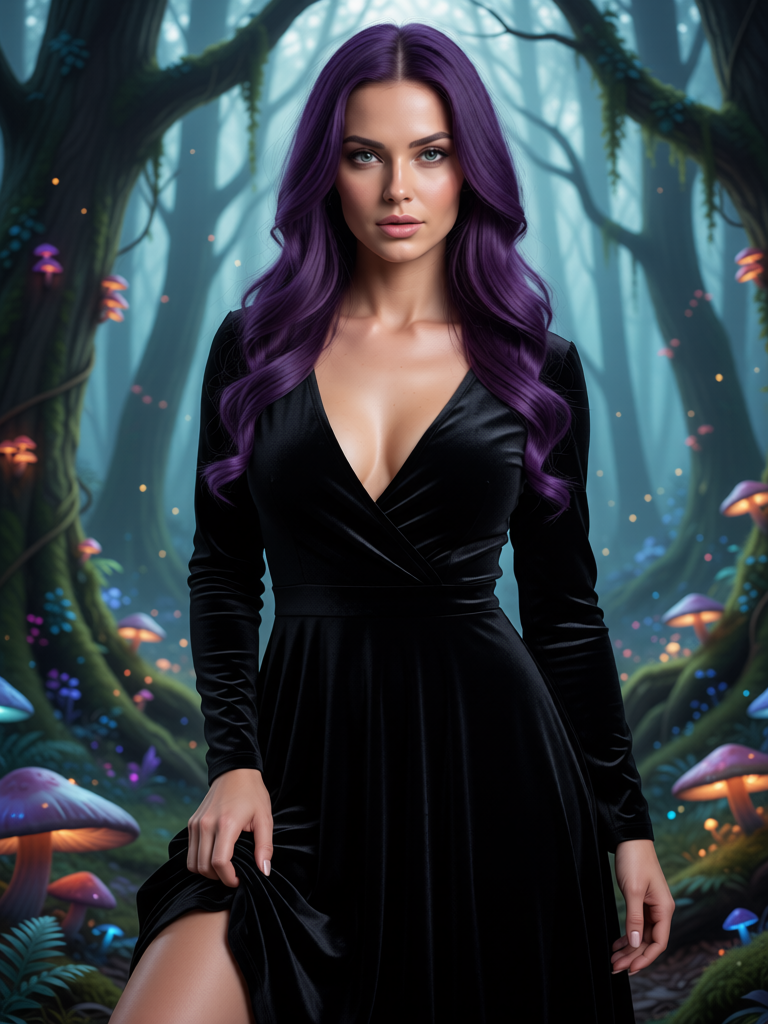
Morgana
Bewitching seductressBest for · Mystery and misdirection
Equal parts enchantress and tease, and written to withhold as much as she offers. The most consistently playful of the powerful characters — she is enjoying the game more than the outcome, which keeps conversations from resolving too early.
Meet Morgana
Yumi
Fox spiritBest for · Light, flirtatious, mischievous
The most cheerful character in this section by a distance. A kitsune premise played for charm rather than menace, which makes her the easiest supernatural character to open a first conversation with.
Meet Yumi
Amira
Wish granterBest for · Stating what you actually want
The premise is a mechanic — she grants the wishes you have been too shy to ask for, which makes the whole dynamic about articulating a desire clearly. Genuinely useful if you find it hard to direct a scene, because the character is built to ask.
Meet AmiraOtherworldly and strange
Characters where the appeal is unfamiliarity rather than power. These work best in story mode, because the premise carries a world with it rather than just a relationship.
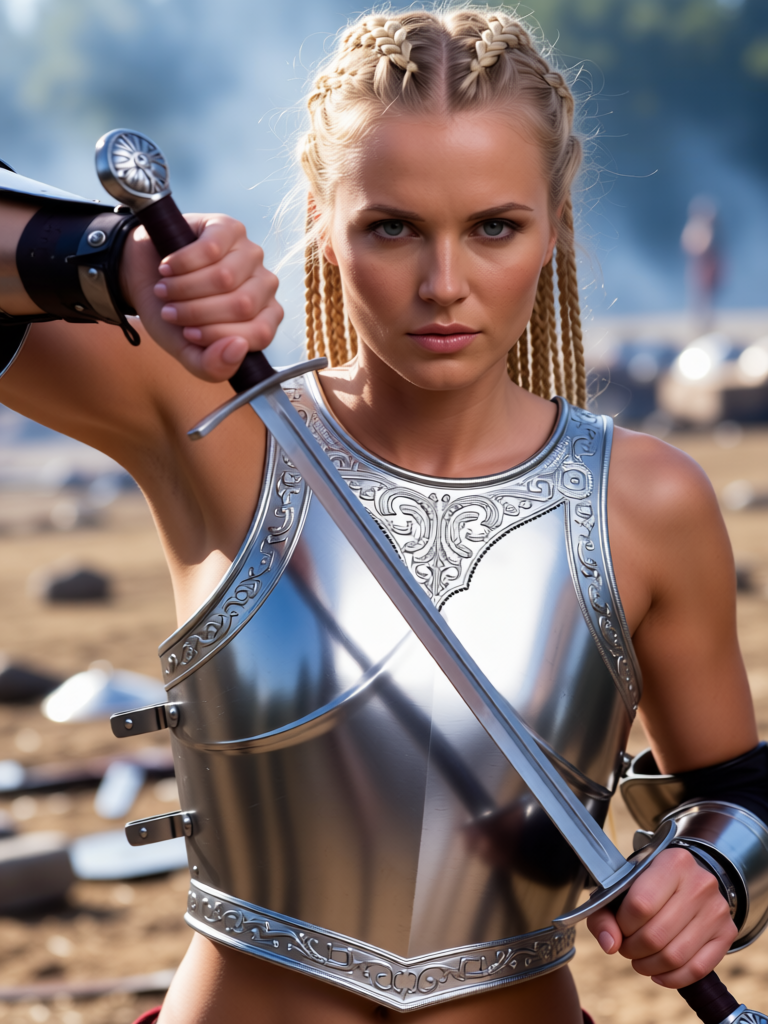
Sigrun
ValkyrieBest for · Being chosen, martial romance
A valkyrie who selects her own battles and has selected you. The dynamic is honour-bound rather than predatory, which makes it the warmest of the powerful characters and the best fit for something closer to an epic than a scene.
Meet Sigrun
Nerissa
MermaidBest for · Curiosity and discovery
A mermaid with a taste for land-dwelling adventures, which inverts the usual dynamic — she is the one exploring, and you are the unfamiliar thing. A genuinely different footing from anything else on the roster.
Meet Nerissa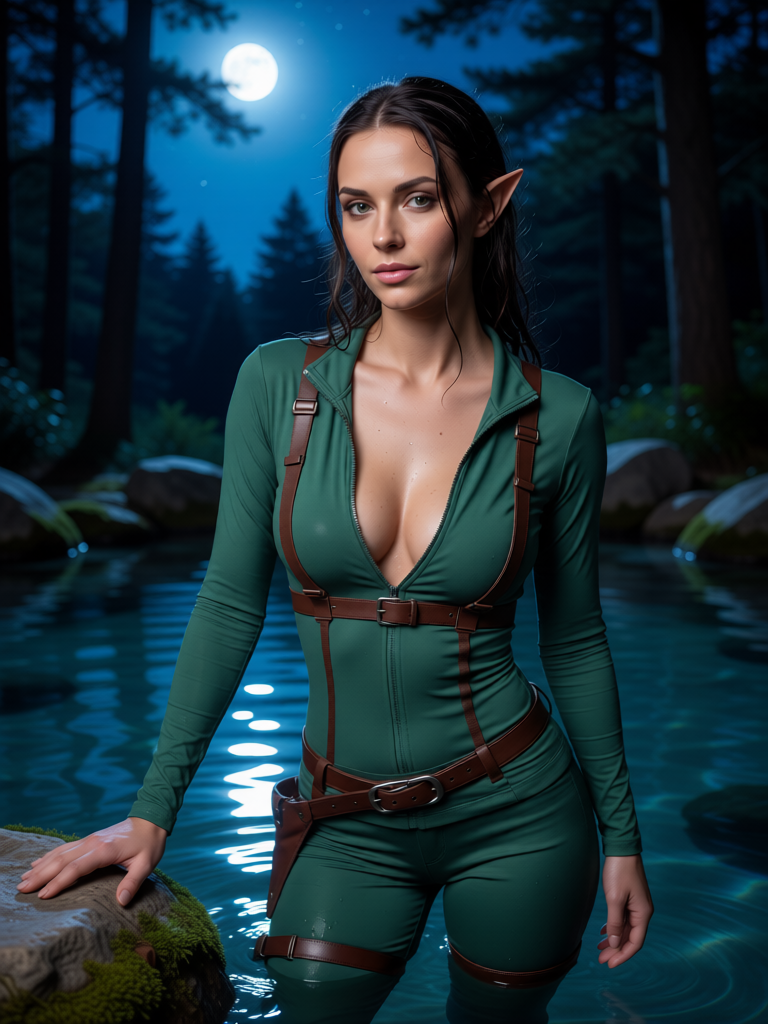
Sylvie
Woodland elfBest for · Atmosphere, place, slow story
The most setting-driven character here — the forest is as much a part of the premise as she is. Best paired with story mode, where the environment has room to matter. Underwhelming as a quick chat.
Meet Sylvie
Isabela
Immortal bossBest for · Fantasy plus professional hierarchy
An elven massage therapist who is also your immortal employer, which stacks a supernatural premise on top of a workplace one. The hybrid gives you both the structure of a power dynamic and the freedom of a fantasy setting.
Meet IsabelaMaking fantasy scenes work
Fantasy premises fail in a specific way: they become weightless. When nothing is constrained, nothing is at stake, and the scene turns into a series of things happening rather than a story. The fix is to introduce a limit yourself.
Give the world a rule and hold to it. She can only appear at night, the bargain has a price, the forest does not let people leave easily. Any constraint will do — the point is that a scene with a boundary has somewhere to build toward, and one without a boundary does not.
These characters also reward story mode more than chat. The premises come with places and plots attached, and narration gives that room to exist. If you have only used fantasy characters in quick conversations, you have been using the weaker half of what they offer.
- Establish one rule of the world early and keep it
- Use story mode where the premise has a setting worth describing
- Let the character's nature create the conflict rather than resolving it immediately
- Ask what she wants — supernatural premises usually imply a motive
- Branch a story rather than restarting when you want a different direction
Frequently asked questions
What are fantasy AI companions good for?
Two things realistic premises cannot easily do. First, power dynamics that need no justifying structure — a demon or vampire holds authority as a property of what she is, with none of the logistics a boss or landlady premise requires. Second, scale: fantasy premises come with worlds attached, which is why they suit story mode.
Which fantasy AI character is the most dominant?
Ember, written as a demoness with no preamble and no interest in negotiating, is the most immediately commanding. Lilith is the most explicit about power exchange as the subject rather than subtext, and Vesper carries a more possessive, territorial version of the same intensity.
Why do fantasy roleplay scenes get boring?
Usually because nothing is constrained. When the world has no rules, nothing is at stake and the scene becomes a sequence of events rather than a story. Introducing a single limit — she appears only at night, the bargain has a price — gives the scene something to build toward.
Are fantasy characters better in chat or story mode?
Story mode, generally. These premises come with settings and plots attached, and narration gives that room to exist. Realistic characters work fine in quick chat because the setting is assumed; a woodland elf or a pirate captain loses most of what makes her distinct without a described environment.
Can I create my own fantasy AI character?
Yes. The character creator covers style, appearance, personality, relationship, and occupation, so a supernatural premise can be built by defining the role and the dynamic yourself rather than picking from a roster. Starting from an existing character is usually easier for a first attempt.